
We may earn money or products from the companies mentioned in this post.
This RVshare review looks at whether renting before buying is a smart first step. Buying a first RV means betting thousands of dollars on a layout and lifestyle you may never have tried. RVshare lets you rent a privately owned RV first, so you can test that choice for a few nights.
Short verdict: For most first-time buyers, a well-chosen RVshare rental is worth paying for as research. It works best when the rental closely matches your target RV and you read every listing term before paying.
This is a research-based review, not a firsthand rental. We checked RVshare’s site, terms, and protection documents, plus competitor pages and customer reviews, on November 14, 2026.
What Is RVshare?
RVshare, LLC runs an online marketplace that connects renters with private RV owners. It isn’t one standard rental fleet, so each listing has its own owner, condition, rules, and add-ons.
Listings include travel trailers, campervans, and motorhomes, and some owners deliver to a campsite. RVshare calls itself the largest and top-rated option, but we couldn’t verify those claims independently.
How Does RVshare Work?
Booking follows a simple path:
- Search by dates and location.
- Compare listings using full quotes, not just nightly rates.
- Message the owner with your questions.
- Book and complete driver verification.
- Arrange pickup or delivery, plus an orientation.
- Photograph and document the RV at departure and return.
RVshare’s terms set minimum driver ages of 23 for towables and 25 for drivable RVs. Age alone doesn’t guarantee approval, since you also need a valid license and RVshare’s sign-off. For beginners, RVshare recommends choosing experienced owners who communicate clearly.
How Much Does Renting Through RVshare Really Cost?

There’s no single price. RVshare’s pricing guide, updated November 11, 2026, lists these base nightly ranges:
- Travel trailers: $50 to $200
- Class B campervans: $100 to $350
- Class C motorhomes: $100 to $400
- Class A motorhomes: $150 to $450
These are estimates before fees, not live quotes. Your real total depends on four kinds of charges:
- Mandatory platform charges: a percentage-based service fee and a nonrefundable screening fee.
- Required reservation charges: taxes, owner fees the listing requires, and required protection.
- Optional extras: delivery, equipment, protection upgrades, and a deposit waiver where offered.
- Contingent charges: mileage or generator overages and return-condition costs.
The security deposit is separate. It’s a refundable hold on your card, though deductions can come out of it.
To budget, start with the checkout total. Add campsites and fuel, then list the deposit hold on its own line. You can compare RVshare rental listings for your travel dates before deciding.
What Insurance and Protection Are Available?
RVshare’s protection comparison page lists Basic, Essential, and Preferred packages, plus a liability-only option. Essential is automatically included in qualifying quotes.
| Package | Deductible (non-Class A) | Deductible (Class A) |
|---|---|---|
| Basic | $1,500 | $4,000 |
| Essential | $1,000 | $3,000 |
| Preferred | $500 | $2,000 |
RVshare separates two kinds of coverage. Liability insurance comes through a Crum & Forster group insurer, and limits vary. Physical-damage reimbursement is contractual protection from RVshare, not an insurance policy.
The July 1, 2026 amendment excludes neglect-related water damage, mold, rot, wear, freezing damage, and corrosion. It also covers damage only during your possession period, which leaves out the owner’s delivery or pickup drive. Interior Damage Protection is an optional add-on paying up to $1,500 after the deductible, where available.
The deposit waiver costs a nonrefundable $149 for Class A or $99 for other classes. RVshare’s pages list conflicting Class A limits of $3,000 and $4,000, so confirm yours in the booking contract. The waiver skips overages, fuel, cleaning, and dumping, so the deposit isn’t necessarily your maximum cost.
Which RV Types Should First-Time Buyers Try?

Rent the type you’re seriously considering buying. A rental only answers useful questions when its size, layout, and operating demands resemble your target RV.
A compact Class B or smaller Class C makes sense if that’s your plan, but no class suits every beginner. For a trailer, first confirm your tow vehicle’s ratings, hitch compatibility, and loaded weights.
Hypothetical example 1: A couple considering a travel trailer books a delivered campground stay. They test beds, bathroom access, storage, and shared space. That stay tells them nothing about towing or backing the trailer into a site.
Hypothetical example 2: A family eyeing a Class C plans a short road trip. They note driving comfort, parking trouble, bed conversion, setup time, and daily chores. Before booking, they compare planned miles with the listing’s allowance.
Either way, ask the owner to show you the appliances, slide-outs, hookups, and tank dumping, as RVshare’s beginner guidance recommends.
RVshare Review: Pros and Cons
Pros
- A wide mix of trailers, campervans, and motorhomes makes a close match easier to find
- Delivery lets you try RV living without driving
- Many reviewers praise helpful owners, clean RVs, and convenient delivery
Cons
- Advertised nightly rates leave out several fees
- Preparation and condition vary by owner
- Complaints mention deposit disputes, condition problems, and refund frustration
Those complaints come from self-selected reports on Trustpilot and the BBB. They show risks worth guarding against, not how often problems happen.
What to Check Before Booking
Each listing sets its own terms, so check these before paying. See RVshare’s renter FAQ for the current cancellation policy:
- Cancellation policy: Canceling 30 or more days out refunds everything except service and screening fees. Inside 30 days, Flexible refunds 50%, Standard refunds 50% only from 14 to 29 days, and Strict refunds nothing.
- Grace period: The renter FAQ describes 24 hours for bookings made seven or more days ahead, or one hour otherwise.
- Allowances: mileage and generator limits, plus overage rates.
- Deposit: the amount and how deductions work.
- House rules: minimum nights, pets, and return requirements for cleaning, tanks, and fuel.
RVshare’s Worry-Free Rental Guarantee isn’t travel insurance. Remedies are discretionary, replacement depends on availability, and payouts cap at $10,000 per occurrence. Campsite costs, airfare, and other indirect losses are excluded.
If the owner cancels, the FAQ says you’re refunded minus the screening fee. Keep messages on the platform and report problems promptly.
RVshare vs. Buying an RV Without Trying One
Buying the wrong RV can cost far more than a rental you won’t get back. Renting first is reasonable insurance against a bad fit, though savings aren’t guaranteed.
Two alternatives deserve a matched quote. Outdoorsy, another peer-to-peer marketplace, estimates roughly $150 to $250 nightly for a Class C before fees.
Cruise America runs a fleet with a required vehicle tour, $0.39 per mile, and a $500 minimum deposit. Its standard models may not match your target RV, and neither option is automatically cheaper.
Who Should Consider RVshare?
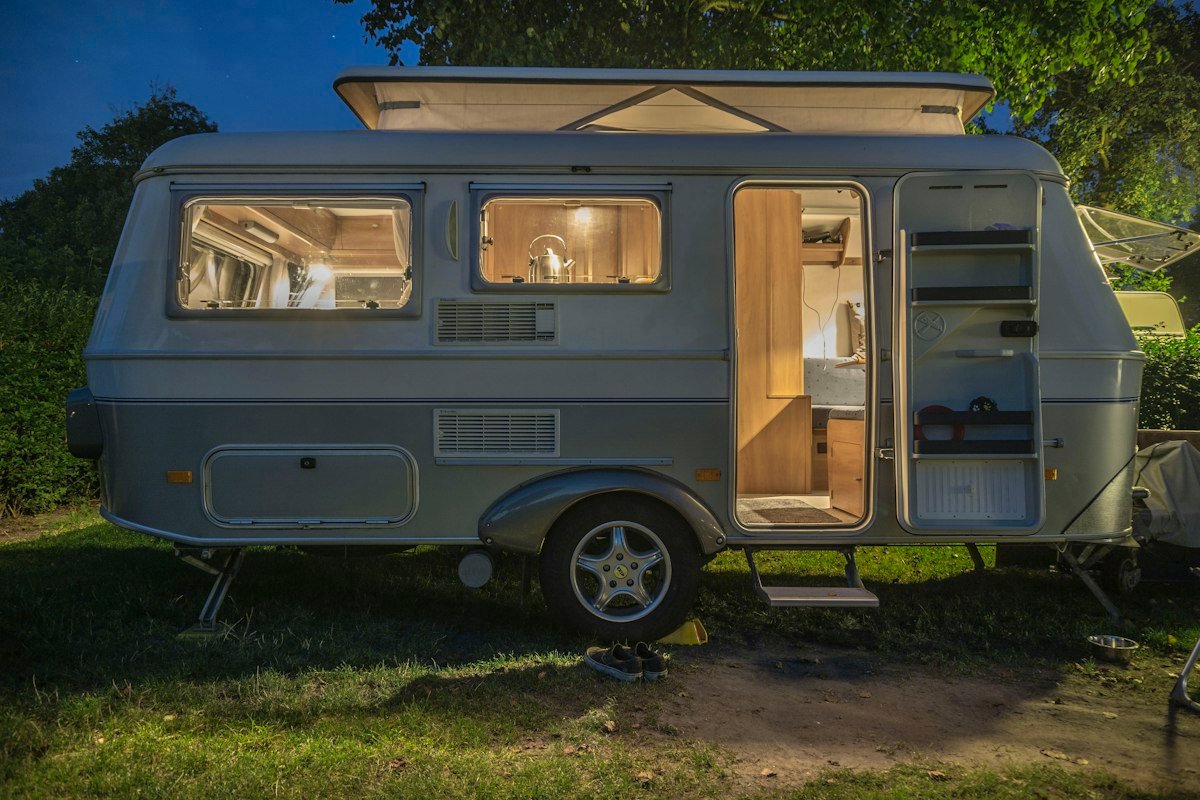
As this RVshare review shows, the service fits first-time buyers who have narrowed down an RV type and can test it on a planned trip. It also suits people who want to try campground life through delivery before learning to tow.
Skip it if you need guaranteed refunds or standardized fleet vehicles, or if you can’t handle a deposit hold plus deductible risk.
Final Verdict: Is RVshare Worth It Before Buying?
Yes, for buyers who pick a representative RV and treat the trip as research. Variety is RVshare’s biggest strength, and variable fees, terms, and owner preparation are its biggest weakness.
Value depends on the full checkout total, so the evidence supports recommending it with careful listing review.